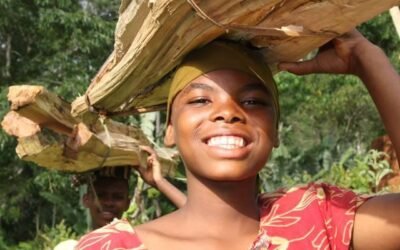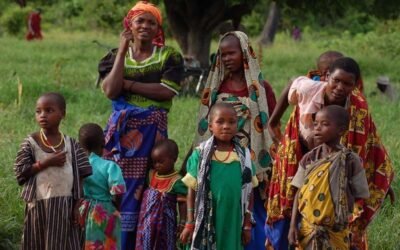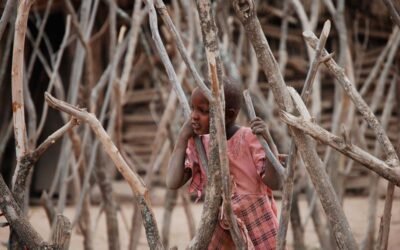
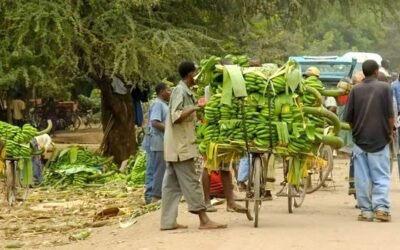
Mto wa Mbu, beside Lake Manyara and the Rift Valley escarpment, is a busy Tanzanian town shaped by people from many parts of the country. Farming, markets, workshops, transport and tourism all form part of present-day life.A diverse working townVisitors may encounter...
Tanzania Cultures
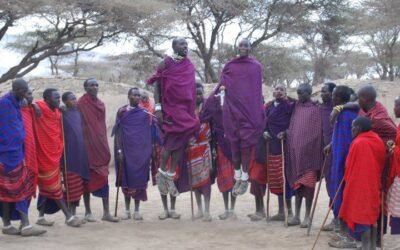
Maasai Communities at Lake Natron: Responsible Visit
Rokoine’s Maasai background and family connections around Lake Natron can help visitors understand the region with local context. A community visit, however, is not automatically available and must be agreed with hosts rather than presented as guaranteed access to...
Mbulu and Iraqw Culture: Responsible Visit
The area around Mbulu is closely associated with Iraqw communities and with farming and livestock traditions in Tanzania’s northern highlands. Older travel accounts often reduce the region to conflict with neighbouring Maasai or portray its residents as unchanged by...
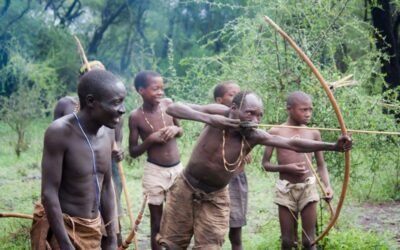
Hadza at Lake Eyasi: A Responsible Visit
The Hadza or Hadzabe live mainly around Lake Eyasi and hold deep knowledge of plants, wildlife and dry-savannah territory. Some families continue hunting and gathering activities, while others combine different livelihoods. There is no single Hadza experience and no...
Usambara Mountains Villages and Culture
The Usambara Mountains in north-eastern Tanzania combine forest, cultivated land, villages and viewpoints over the plains. The region is not home to one single “Usambara tribe”: it is a territory inhabited by diverse communities, including Shambaa people and residents...
Sukuma Culture Around Lake Victoria
The Sukuma are one of Tanzania’s largest cultural groups and live mainly around Lake Victoria, particularly in Mwanza, Shinyanga and Simiyu. Their heritage includes music, dance, farming knowledge and community organisation that continue to evolve.Dance, music and...
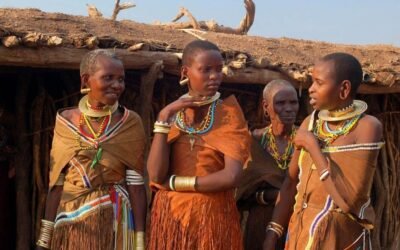
Sonjo Culture: A Responsible Visit in Northern Tanzania
The Sonjo, also known as Batemi, live in northern Tanzania in a transition area between the highlands and Lake Natron. Their communities have their own identity, distinct from Maasai identity, and a long relationship with farming, water management and the region’s...