
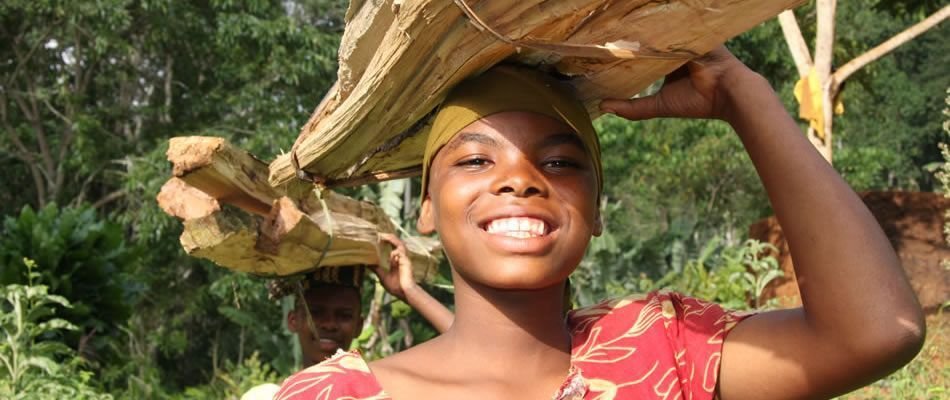
The Usambara Mountains in north-eastern Tanzania combine forest, cultivated land, villages and viewpoints over the plains. The region is not home to one single “Usambara tribe”: it is a territory inhabited by diverse communities, including Shambaa people and residents from other parts of Tanzania.
An inhabited, living region
Walking routes pass farms, markets and settlements where everyday life continues while visitors arrive. Respect therefore matters: greeting people, using a local guide where paths cross community land and asking before taking photographs are basic requirements.
What a cultural walk can offer
Depending on the itinerary, visitors may learn about crops, markets, crafts or local projects. Not every activity is available every day, and no home or private space should be entered without invitation. A good experience prioritises conversation and context over a rushed collection of photographs.
Advice for village visits
- Dress comfortably and respectfully, particularly in smaller settlements.
- Buy local products only if wanted and avoid aggressive bargaining.
- Do not hand sweets or money to children.
- Carry a reusable water bottle and take every item of waste away.
- Adjust the pace for rain, mud and elevation.
Hiking and trip length
Combining villages and nature is the best way to understand the landscape. Two or three nights allow unhurried walks in more than one area. Adding Usambara to a northern safari requires careful road planning and may not suit a very short trip.
Compare the region with Sukuma culture or a responsible Hadza visit. Request a tailor-made route based on flights and available days.

